Pipeline integrity depends on seeing damage before it escalates. Industrial inspection and pipeline robots in the UAE help operators examine pipe interiors and nearby assets, identify cracks, leaks, blockages and abnormal conditions, and build a clearer picture of asset integrity. Thermal cameras and acoustic sensors can reveal overheating and irregular vibrations, while specialized sniffers can detect harmful vapors along pipeline perimeters.
Regular inspection matters, but access, operating conditions and the type of asset shape how it can be carried out. This guide explains how robotic systems gather inspection data, where they support oil, gas, industrial and water infrastructure, and what factors influence technology selection. You’ll also learn how findings inform integrity monitoring and when an industrial inspection robot can support a more systematic approach to pipeline assessment.
Key Takeaways
- Learn how robotic sensors can help identify pipeline damage and unusual operating conditions before they escalate.
- See how inspection systems support monitoring across energy, industrial and water infrastructure.
- Understand how access, pipe condition and inspection objectives shape the choice of robotic approach.
- Explore how navigation and inspection data can help teams build a more consistent view of asset integrity.
Detecting pipeline cracks, leaks, and blockages
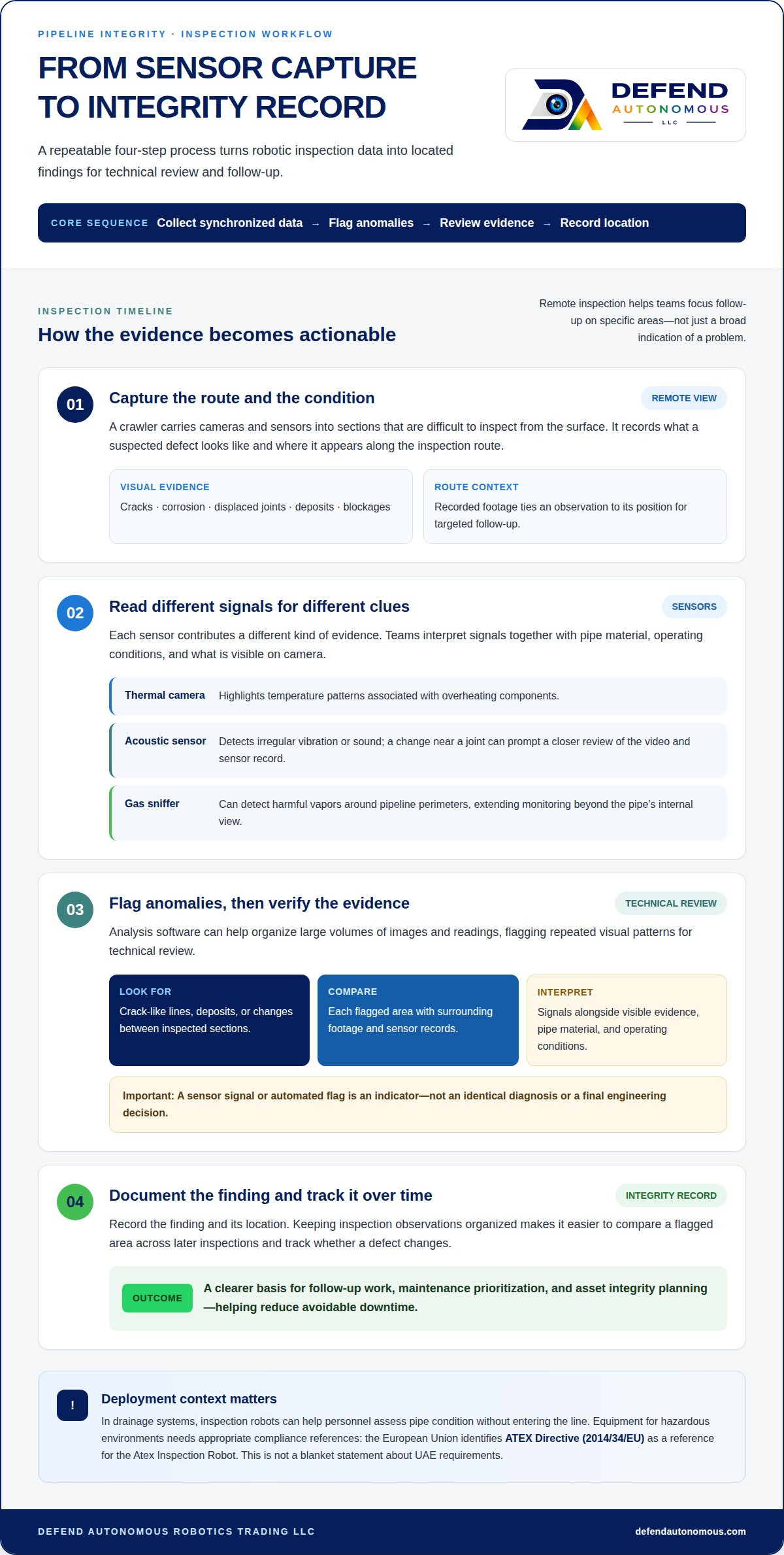
Pipeline robots bring cameras and sensors into sections that are difficult to inspect from the surface. For underground lines, a recorded view can reveal cracks, corrosion, displaced joints, deposits, or a blockage that restricts flow. A crawler can capture the defect’s appearance and position along its inspection route, helping maintenance teams target follow-up work rather than relying on a broad indication that something is wrong. This remote detection supports asset integrity planning and can help reduce avoidable downtime.
Thermal imaging and acoustic sensing provide different clues. A thermal camera can highlight temperature patterns associated with overheating components, while acoustic sensors can detect irregular vibration or sound. For example, a change in vibration near a joint may prompt a closer review of the robot’s video and sensor record. These signals are indicators, not identical diagnoses: operators interpret them alongside pipe material, operating conditions, and visible evidence. Combining methods gives teams a more accurate basis for locating and assessing a suspected defect.
AI-powered inspection can help organize large volumes of images and sensor readings. Analysis software can flag repeated visual patterns, such as crack-like lines, deposits, or changes between inspected sections, for technical review. The practical workflow is straightforward: collect synchronized inspection data, identify anomalies, compare each flagged area with surrounding footage, then record the finding and its location. This prioritizes review and makes it easier to track whether a defect changes across later inspections, without treating an automated flag as a final engineering decision.
Gas detection sensors add another layer where leaks or harmful vapors are a concern. Specialized sniffers can detect vapors around pipeline perimeters, supporting environmental monitoring beyond the pipe’s internal view. In drainage systems, inspection robots can help personnel assess pipe condition without entering the line themselves. Equipment intended for hazardous environments also needs appropriate compliance references: the European Union identifies ATEX Directive (2014/34/EU) as a standard or compliance reference for the Atex Inspection Robot. That reference should be understood in context, not as a blanket statement about UAE requirements.
Robotic inspection for oil, gas, petrochemical, power and water infrastructure
Across UAE infrastructure, robotic inspection supports remote assessment where access, operating conditions, or continuity matter. The inspection plan should match the asset and the evidence maintenance teams need.
Inspection Across Infrastructure Sectors
Oil and gas facilities can use robotic inspection to examine pipelines and support checks around process areas. Petrochemical sites add chemical exposure and equipment access to the assessment. Water networks require attention to pipe condition and internal obstructions. For each application, define the asset, inspection objective, and environment before selecting a platform. That alignment helps teams gather useful evidence while limiting unnecessary disruption to plant operations.
Plant and Pipeline Inspection Applications
At power generation and desalination plants, inspection planning can focus on pipeline sections, process equipment, and areas where personnel access is constrained. In power plants, remote systems can read gauges and check for signs of electrical arcing at high-voltage substations. Nuclear and other power plant pipelines require an inspection approach matched to the specific asset and operating environment. The intended route, access constraints, and required output should guide each deployment.
Pipeline Robot Model Comparisons
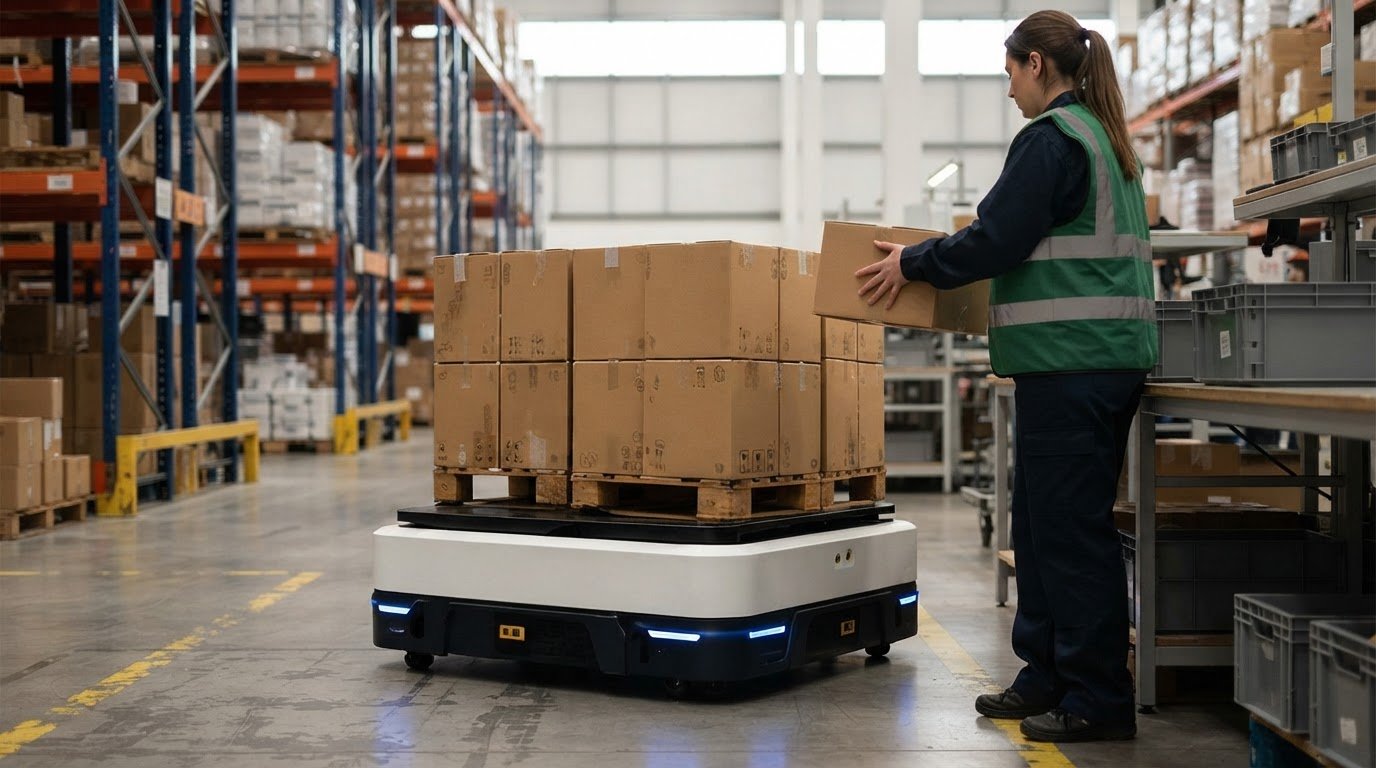
Leading options are best compared by platform type and task, rather than by a universal model ranking. Wheeled in-pipe robots suit routes they can physically traverse; other inspection robots may suit different site layouts or monitoring needs. Compare access, inspection payload, mobility, and the data each system captures. For UAE deployments, assess site hazards and applicable project approvals; an ATEX reference alone does not establish every UAE requirement.
Costs, Suppliers, Risks, and Case Studies
Pipeline inspection robot pricing depends on the system, sensor package, access conditions, and project scope, with the price provided after a quote request. UAE suppliers include robotics providers whose capabilities should match the intended application and inspection deliverables. Limitations can include restricted access, obstacles, and incomplete coverage where a robot cannot reach the target. For project evidence, a desalination-plant case study should document the asset inspected, method, findings, and operational context, without implying every facility has the same outcome. Explore inspection system planning in relation to the asset and its operating conditions.
Industrial pipeline integrity inspections
In UAE facilities, deployment starts by defining the pipeline section, inspection objective, and operating conditions. Teams then prepare the route, operate the robot remotely or along its planned path, and review recorded findings for integrity monitoring.
At refineries, inspection plans can focus on corrosion, joint condition, deposits, and other changes that may affect pipeline integrity. The robot’s recorded observations give maintenance teams specific locations to assess and compare during follow-up work. This turns inspection into a repeatable process: define the segment, capture evidence, review anomalies, and document findings. Operators can use those insights to prioritize maintenance and address potential problems before they become major issues, reducing downtime and supporting safer decisions.
Integration matters too. Before a system is used at a facility, its route, data outputs, and reporting process should fit the site’s maintenance workflow. For example, teams can organize inspection records by asset or section and connect relevant observations with maintenance records. This helps engineering and maintenance teams review the results together.
Training should cover practical tasks such as preparing the robot, controlling its movement, recognizing incomplete coverage, and escalating an anomaly for engineering review. Teams also need a consistent way to manage captured images, sensor readings, and inspection notes. Operators can manage deployment and data capture, while qualified personnel assess findings and determine maintenance actions. This helps ensure an automated alert is not mistaken for a final integrity assessment.
Teams can compare inspection records from later runs to identify changes in the same locations. An observation that persists or changes can become a focused point for review. The cycle of inspecting, interpreting, documenting, and reassessing helps facilities build useful integrity insights while keeping operational decisions grounded in reviewed evidence.
Autonomous navigation and real-time analytics
Autonomous navigation helps a crawler follow an assigned route through a pipeline while recording its position and inspection data. Before deployment, teams define the section, access points, operating conditions, and required coverage. The robot’s cameras can capture internal features, while thermal sensors can add temperature information where relevant. If debris, a bend, or a change in pipe geometry interrupts movement, operators need clear status information to decide whether to continue, adjust, or recover the crawler.
Buyers should assess capabilities against the inspection task, not a generic feature list. Useful criteria include:
- Mobility: Can the crawler traverse the pipe’s condition and route?
- Inspection payload: Do cameras and sensors capture the structural details the team needs?
- Navigation: Can operators understand the robot’s position and identify incomplete coverage?
- Data handling: Can inspection records be reviewed and organized for maintenance monitoring?
For utilities, these criteria help align the platform with access conditions, inspection objectives, and reporting needs.
Inspection software can organize images and sensor readings so teams can review observations during or after a run. Depending on the system, software may flag an unusual image or reading for human assessment and associate it with a recorded location. An operator can then review the observation alongside nearby footage rather than treating an alert as a confirmed defect. Consistent records also support comparisons between inspection runs and make follow-up decisions easier to trace.
Operational readiness includes a defined route, trained operators, and a clear process for interruptions. Teams should consider how the crawler communicates status, how captured data enters existing maintenance workflows, and how site compliance requirements shape deployment. These steps help minimize gaps in coverage and improve the usefulness of inspection records. Explore industrial pipeline inspection robot solutions for inspection tasks that require remote access and structured data capture.
Defend Autonomous Robotics Trading: AI Coffee & Beverage Robot
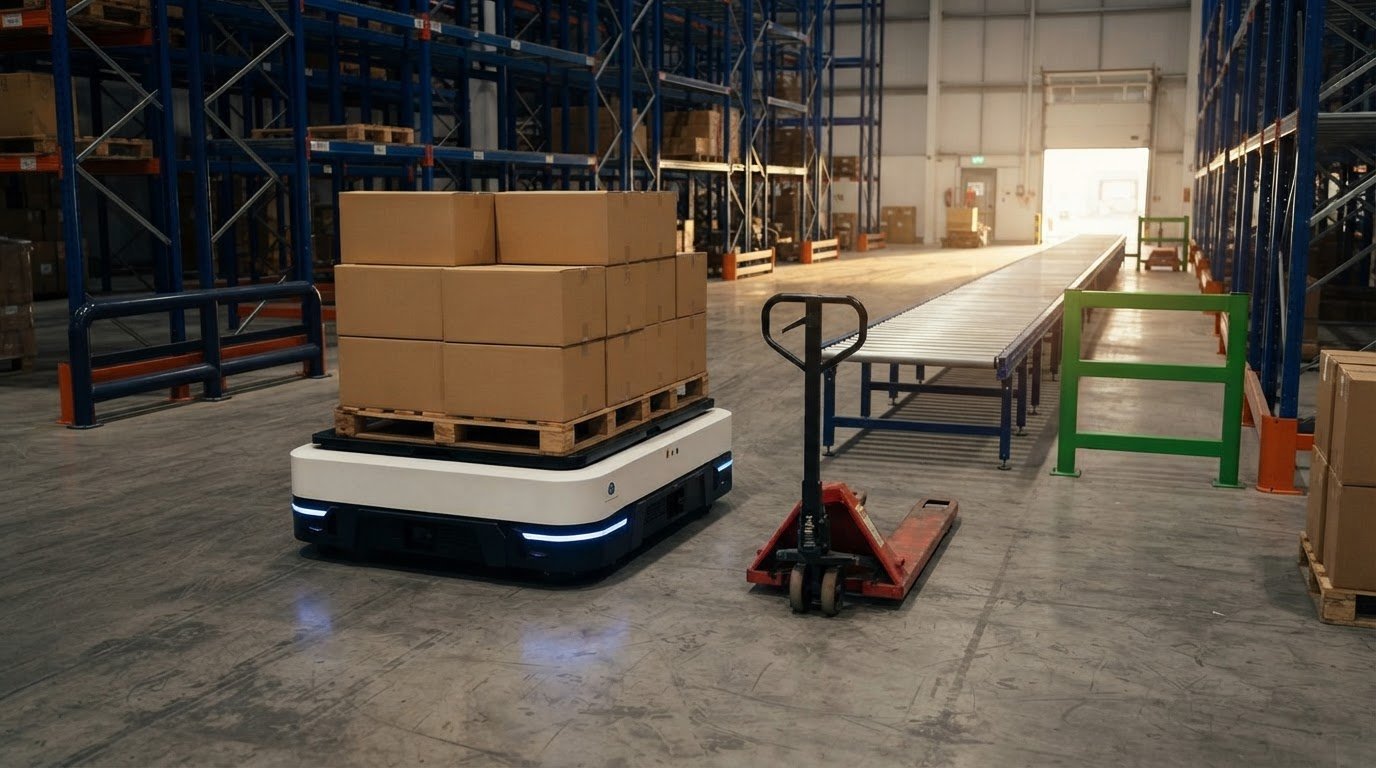
Defend Autonomous Robotics Trading offers automation options for organizations planning beyond individual inspection tasks. Its portfolio includes an AI Coffee & Beverage Robot, AMR & AGV Automation Solutions, CNC and advanced manufacturing solutions, and EV charging and sustainable energy solutions.
The AI Coffee & Beverage Robot is relevant to businesses assessing automated beverage service, while AMR and AGV solutions address automation needs involving autonomous mobile systems. CNC and advanced manufacturing solutions support manufacturing requirements, and EV charging and sustainable energy solutions relate to energy infrastructure planning. Each offering serves a distinct operational context, so the appropriate next step depends on the facility’s objectives and automation priorities.
Contact Defend Autonomous Robotics Trading to discuss your requirements.
Build the next step into your inspection plan
Make the next decision operational: define which asset needs attention, what evidence will inform maintenance, and how findings will enter existing workflows. A focused inspection scope gives engineering and operations teams a shared basis for planning deployment and using results. For industrial inspection and pipeline robots in the UAE, that alignment connects technology selection to the priorities of each facility.
Start with the inspection objective and the conditions that shape access, navigation, and data review. Then identify who will interpret findings and how those findings will support ongoing integrity decisions. This turns a technology discussion into a practical path toward stronger asset oversight.
Defend Autonomous Robotics Trading LLC also offers automation solutions for wider operational needs. Contact Defend Autonomous Robotics Trading LLC to discuss your requirements and determine a suitable next step. Clear priorities create momentum, and a well-defined plan gives your team a confident foundation for moving forward.
Frequently Asked Questions
What types of industrial inspection robots are used in the UAE?
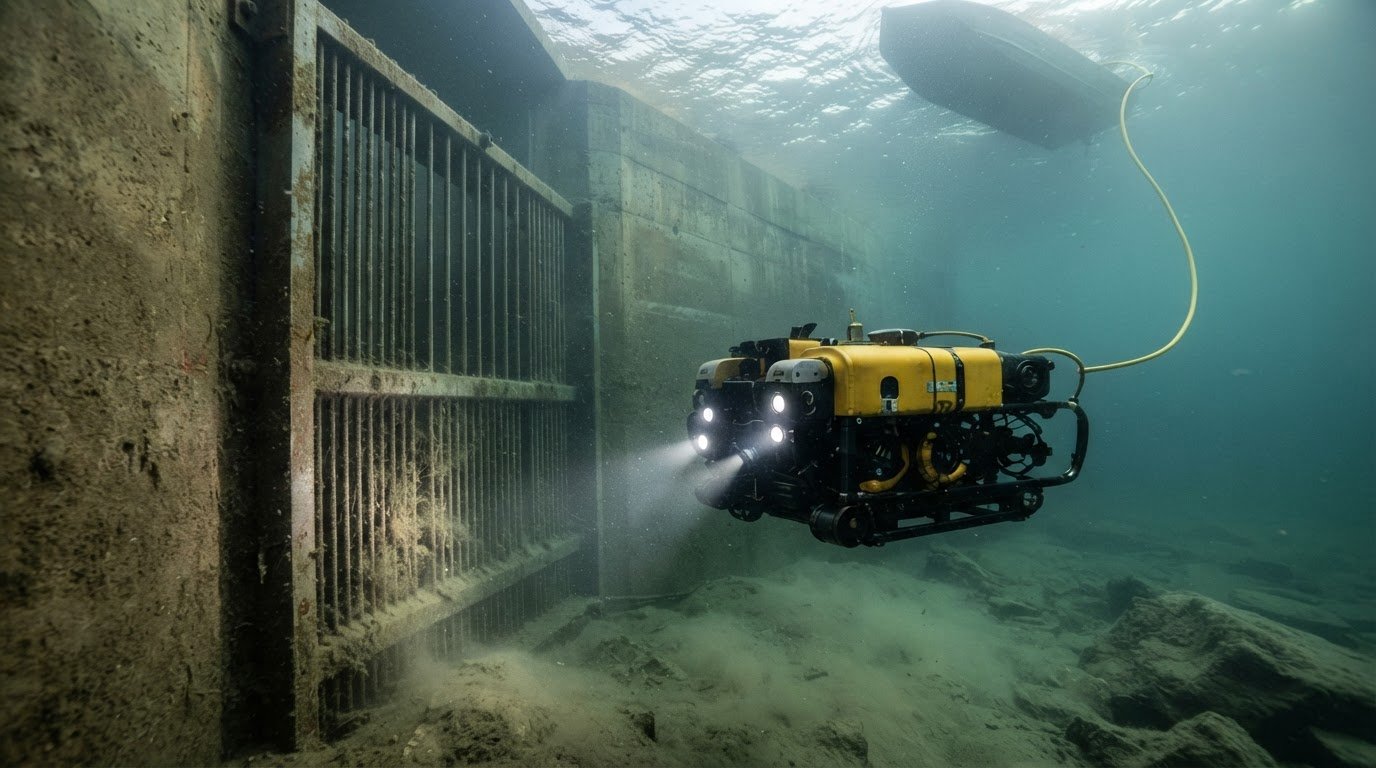
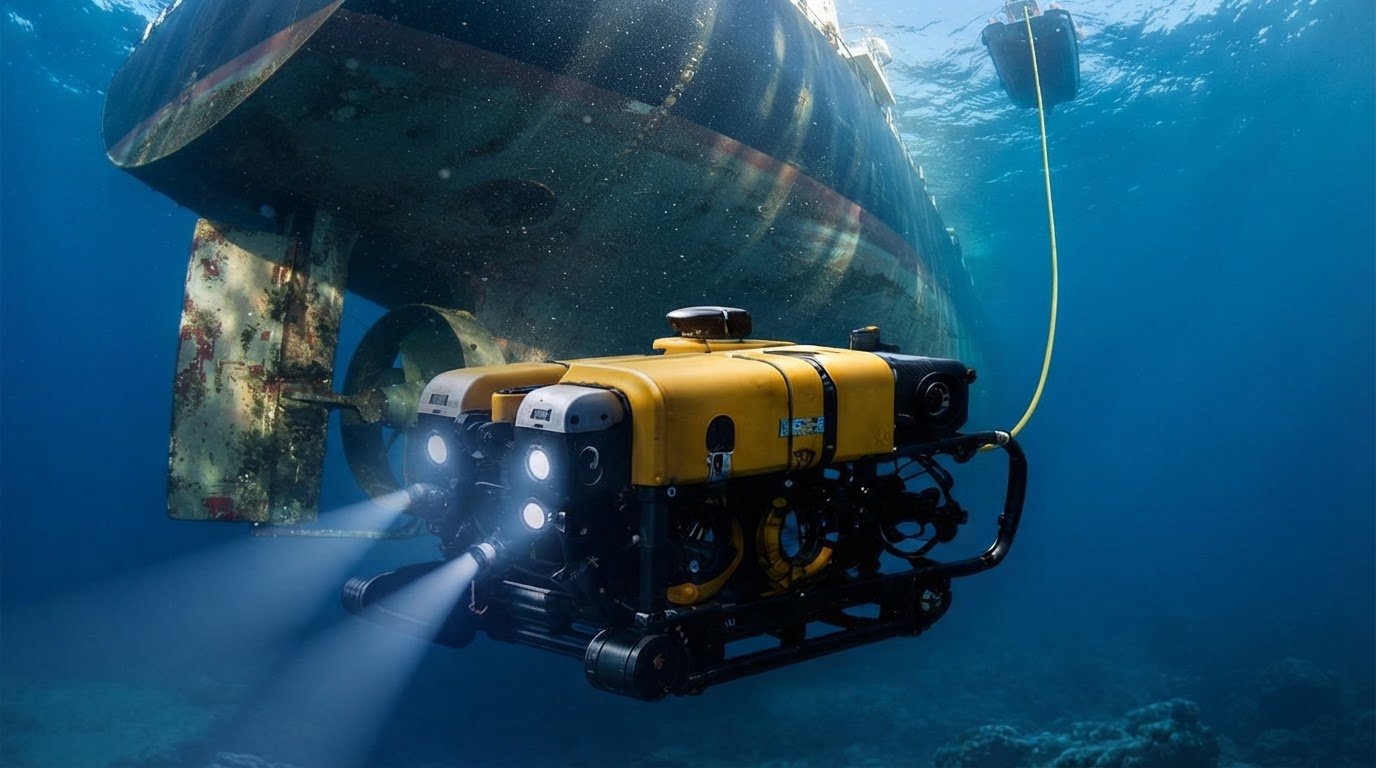
Industrial inspection and pipeline robots in the UAE may include in-pipe crawlers, quadruped robots for facility terrain, or remotely operated underwater vehicles for subsea tasks. The right platform depends on the asset and environment. For example, an underwater inspection may call for an ROV rather than a land-based robot. Camera and sensor requirements should match the evidence maintenance teams need.
What UAE industries use pipeline inspection robots?
Oil and gas, petrochemical, power generation, and water infrastructure are relevant applications for industrial inspection and pipeline robots in the UAE. Refineries may use inspection to assess process lines, while water operators can focus on drainage or utility networks. Desalination plants also depend on extensive piping systems. The inspection objective differs by sector, so deployment planning should account for the asset’s function and site conditions.
What local maintenance, training, and support services are available for inspection robots?
Defend Autonomous Robotics Trading LLC provides 24/7 service, annual maintenance contracts, and technical support, alongside training, maintenance, and spare-parts support. These services can help teams prepare operators, maintain equipment, and manage technical issues. Support planning is relevant when inspection data informs ongoing asset monitoring and maintenance workflows. The company’s support is available for deployed systems.
What UAE regulations and certifications apply to robotic pipeline inspections?
The article lists ATEX Directive (2014/34/EU), IECEx Certification, and IEC 60529 (IP Rating) as compliance references for the Atex Inspection Robot. UAE deployments should also be assessed against site hazards and applicable project approvals; these references alone do not establish every UAE requirement.