Dubai recorded 57 industrial automation robotics company records, more than any other UAE city. But the number alone won’t identify the right industrial robotics suppliers in the UAE: the fit depends on the task, the robot system and how it integrates with your factory.
Finding supplier contact details is only the first step. You also need to identify which robot types and automation capabilities fit your operation and whether a system can support your production environment.
This guide explains how to assess industrial robotics suppliers in the UAE, compare robot types and applications, and consider how automation connects with production equipment and workflows. Use these points to move from an initial search to a focused project brief.
Key Takeaways
- Use UAE company-directory patterns to focus your supplier search and understand where industrial automation businesses are concentrated.
- Assess robot brands by the tasks they support and how their systems fit your production requirements.
- Match robot type to application: welding, machine tending, precise pick-and-place and lightweight product handling call for different capabilities.
- Explore how programming, sensors, vision and industrial networks can connect robots with manufacturing lines and smart-factory operations.
How many industrial automation robotics companies are there based in the United Arab Emirates?
The UAE directory data records companies across several employee-size bands, rather than one definitive total. As of Sep 15, 2026, it included 38 companies with 1-10 employees, 52 with 11-50, 14 with 51-200, and 2 with 201-500. One company had 501-1,000 employees; the median band was 11-50 employees.
Dubai leads the city-level picture. In September 2026, the directory recorded 57 industrial automation robotics company records there, more than in any other UAE city. Dubai accounted for 52.8% of the list’s largest-city concentration. The figures help locate market activity, but company records alone don’t show each supplier’s capabilities or project fit.
For manufacturing plants, automation can connect industrial robots with production equipment, robotic cells, and end-of-line tasks. Infrastructure and smart-building projects use automation for operational processes, while healthcare facilities may use robots for medical delivery tasks. Engineering supplies and integration services support the equipment, controls, and links between systems.
How do suppliers compare on brands, industries, and support? Compare the proposed robot and its suitability for your application, the integration scope, and the support available. A directory listing alone does not show whether a system fits your operation.
What safety requirements apply to a UAE installation? They depend on the work environment and installation. The system design should account for robot movement, nearby equipment, and people. Importing and delivery also depend on the robot configuration, shipment requirements, and site readiness.
What are typical robot prices, including installation and integration? Project pricing depends on the robot, cell design, controls, installation, and integration scope; a quote request establishes the applicable price. Which UAE suppliers provide robotic cells, end-of-line automation, and turnkey integration? Look for suppliers whose engineering scope covers the required combination of equipment, integration, and deployment.
Industrial robot brands supplied in the UAE
Brand choice matters, but the system must also suit the work. Robot type, task requirements, and integration needs provide a practical basis for comparing options.
Industrial Robot Brands
Brand portfolios vary among UAE suppliers, so a brand name alone does not establish whether a robot suits your operation. Compare each option with the application, precision required, production environment, and integration scope. Consider how the proposed system performs the task and connects with the existing process. This makes brand selection a functional decision rather than a judgment based only on recognition.
Available Robot Types
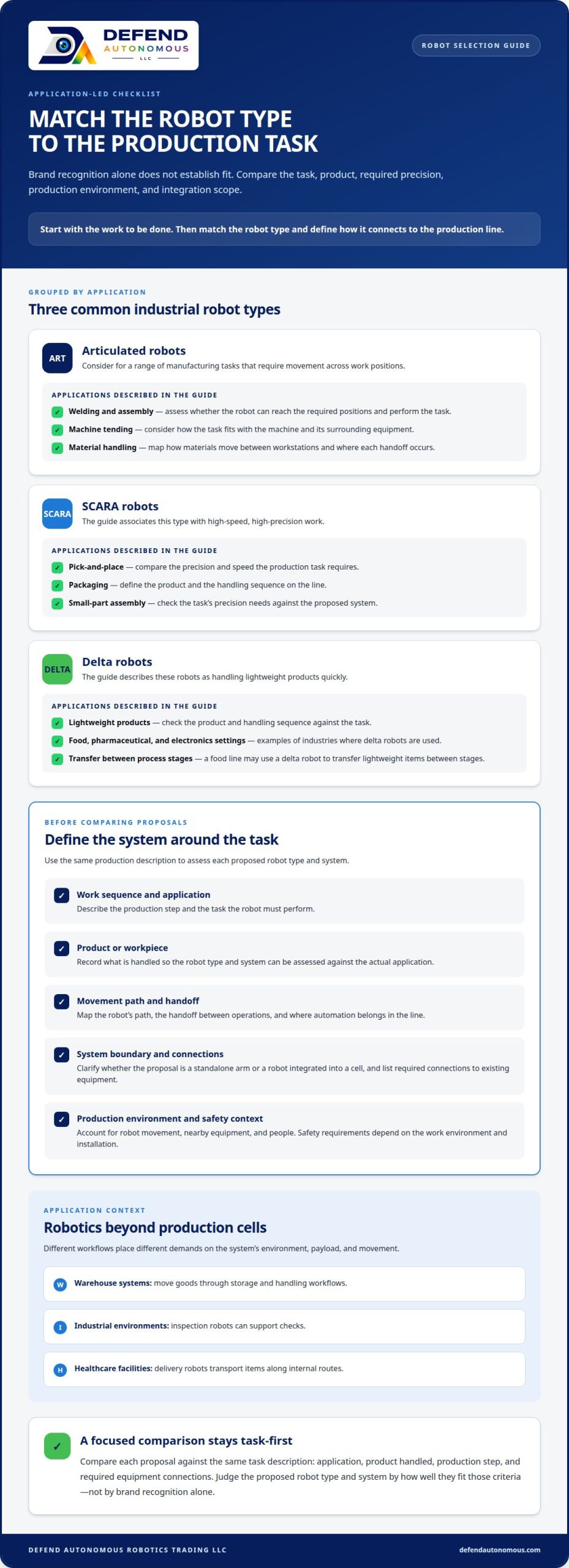
Common industrial robot types include articulated, SCARA, and delta robots. Articulated robots are used for welding, assembly, machine tending, and material handling. SCARA robots suit high-speed, high-precision pick-and-place, packaging, and small-part assembly. Delta robots handle lightweight products quickly in food, pharmaceutical, and electronics settings. The task and product help determine which type to consider.
Start by defining the work sequence. For welding or machine tending, assess whether an articulated robot can reach the required positions and perform the task. For small-part assembly or packaging, consider the precision and speed associated with SCARA applications. For lightweight products, delta robots may suit relevant production settings. These examples distinguish robot types by application, without relying on unsupported brand claims.
Next, define how the robot will fit into the production line. A standalone arm and a robot integrated into a cell have different system boundaries. Consider the workpiece, movement path, adjacent equipment, and handoff between operations. These details help determine the robot configuration and the integration work required.
Compare proposals against the same task description. Record the application, product handled, production step, and required connections to existing equipment. Then assess each proposed robot type and system against those criteria. A structured comparison keeps attention on the task, production requirements, and operational purpose rather than brand recognition alone.
Robotic applications across industries
Robot selection starts with the task, product, and surrounding operations. In the UAE, manufacturers can use articulated robots for welding, assembly, machine tending, and material handling. Integration connects the robot’s task with the wider production line. The right application depends on the process, not simply the industry label.
For fast, precise movements, SCARA robots are used in pick-and-place, packaging, and small-part assembly. Delta robots handle lightweight products quickly and are used in food, pharmaceutical, and electronics industries. For example, a food line may use a delta robot to transfer lightweight items between process stages. The product and handling sequence help guide the choice.
Manufacturing applications extend beyond assembly. Robots can support welding, tend machines, and move materials between workstations. In a plant with cutting equipment, material handling can connect the cutting stage to the next production step. Mapping each handoff helps define where automation belongs and what integration the line requires.
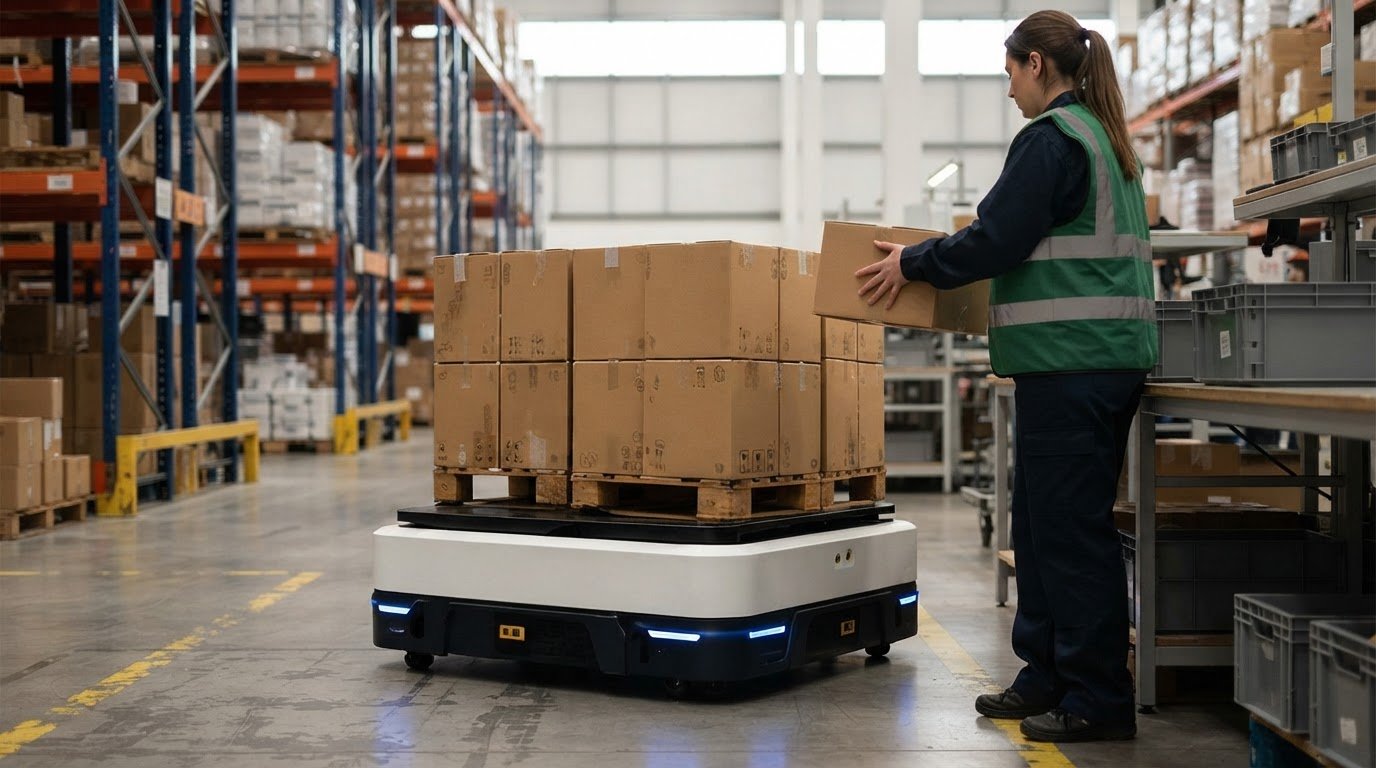
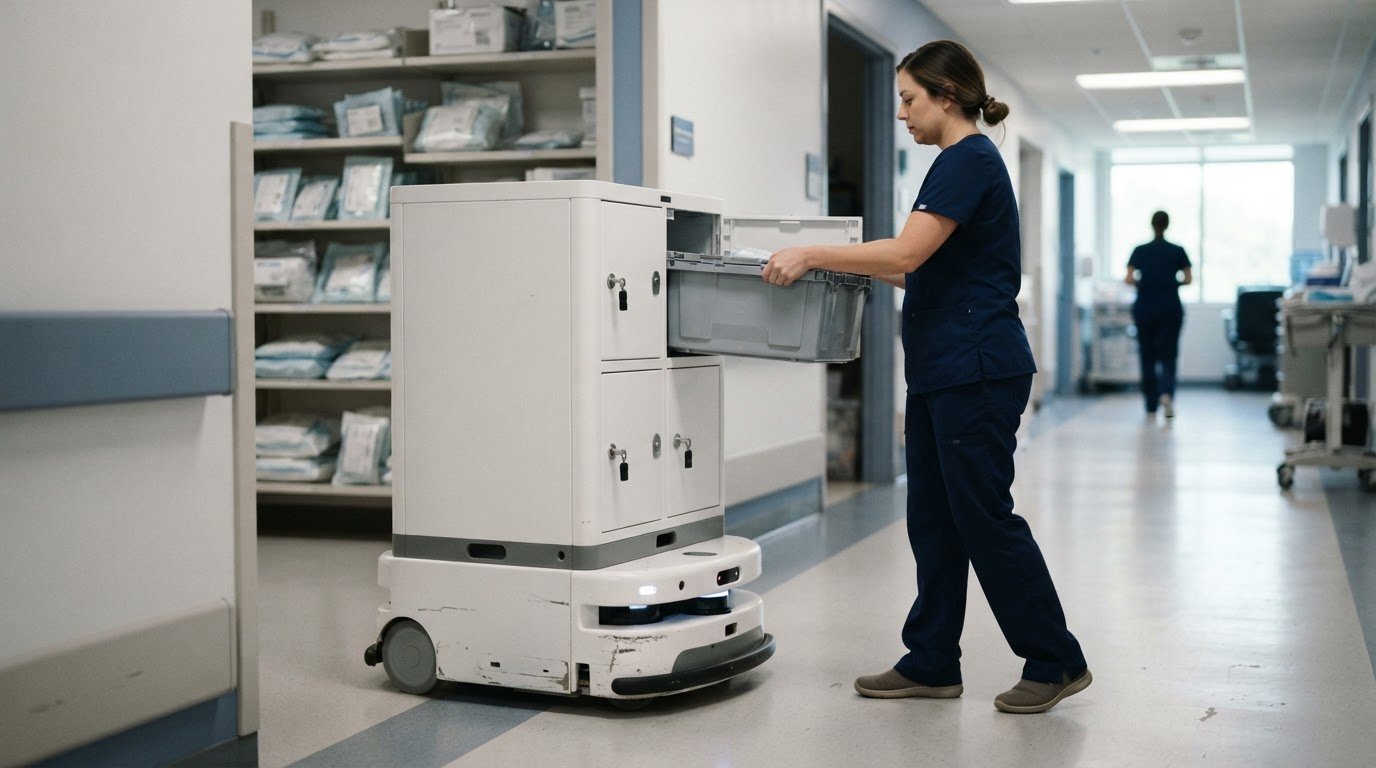
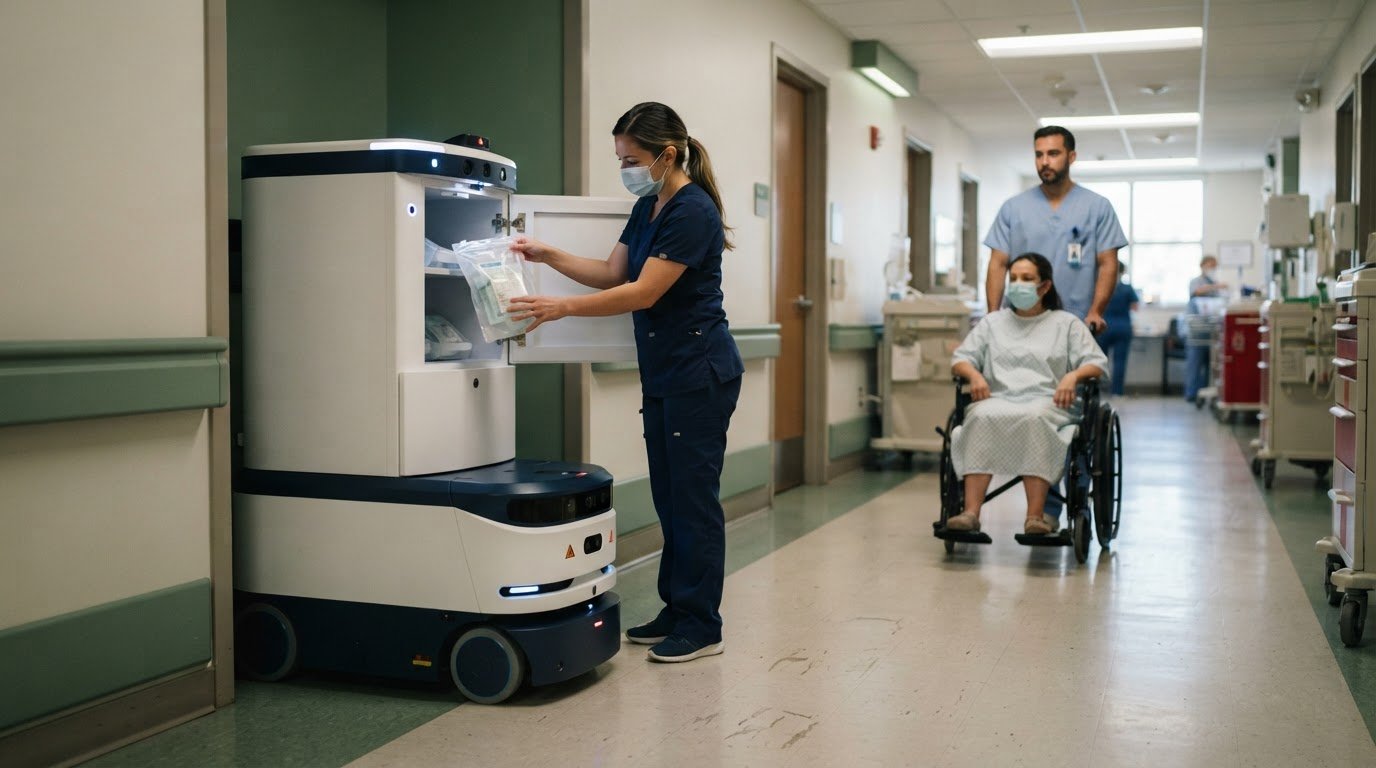
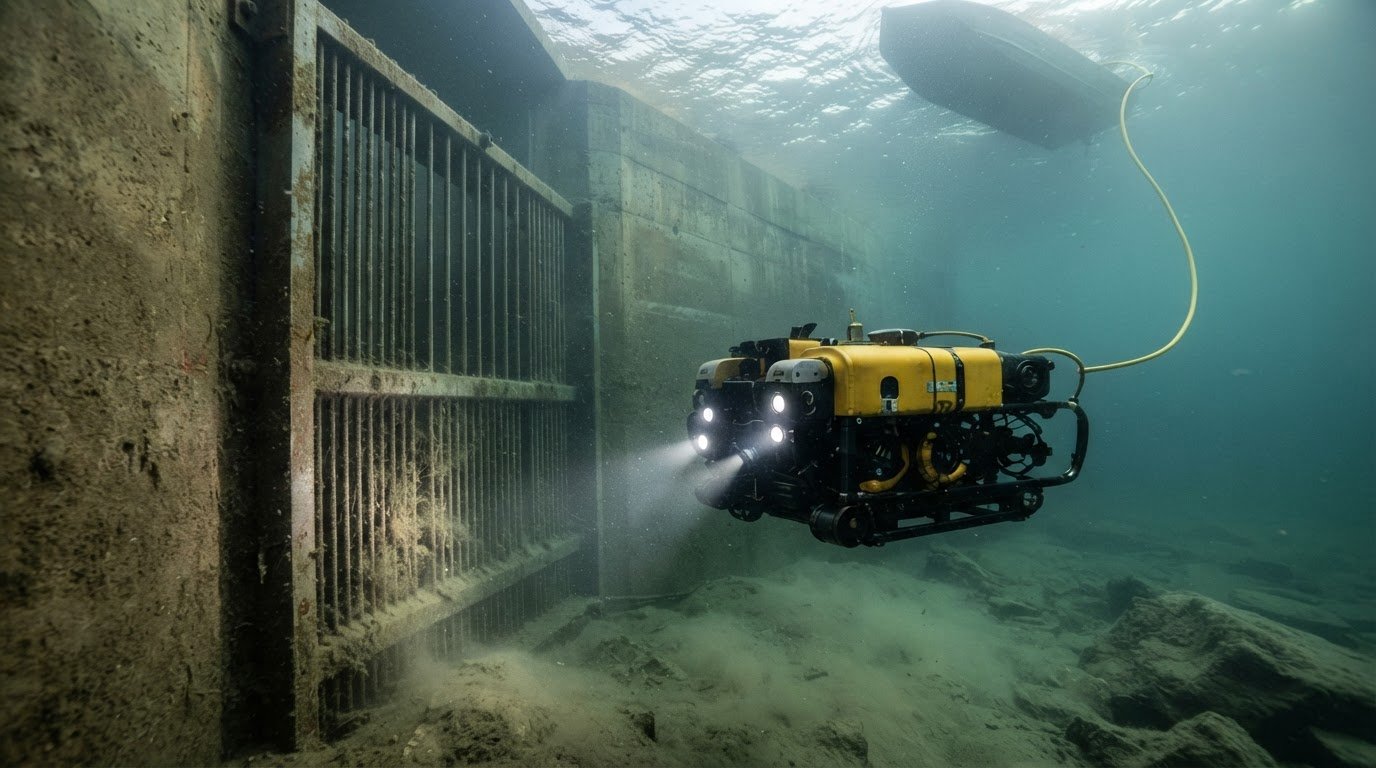
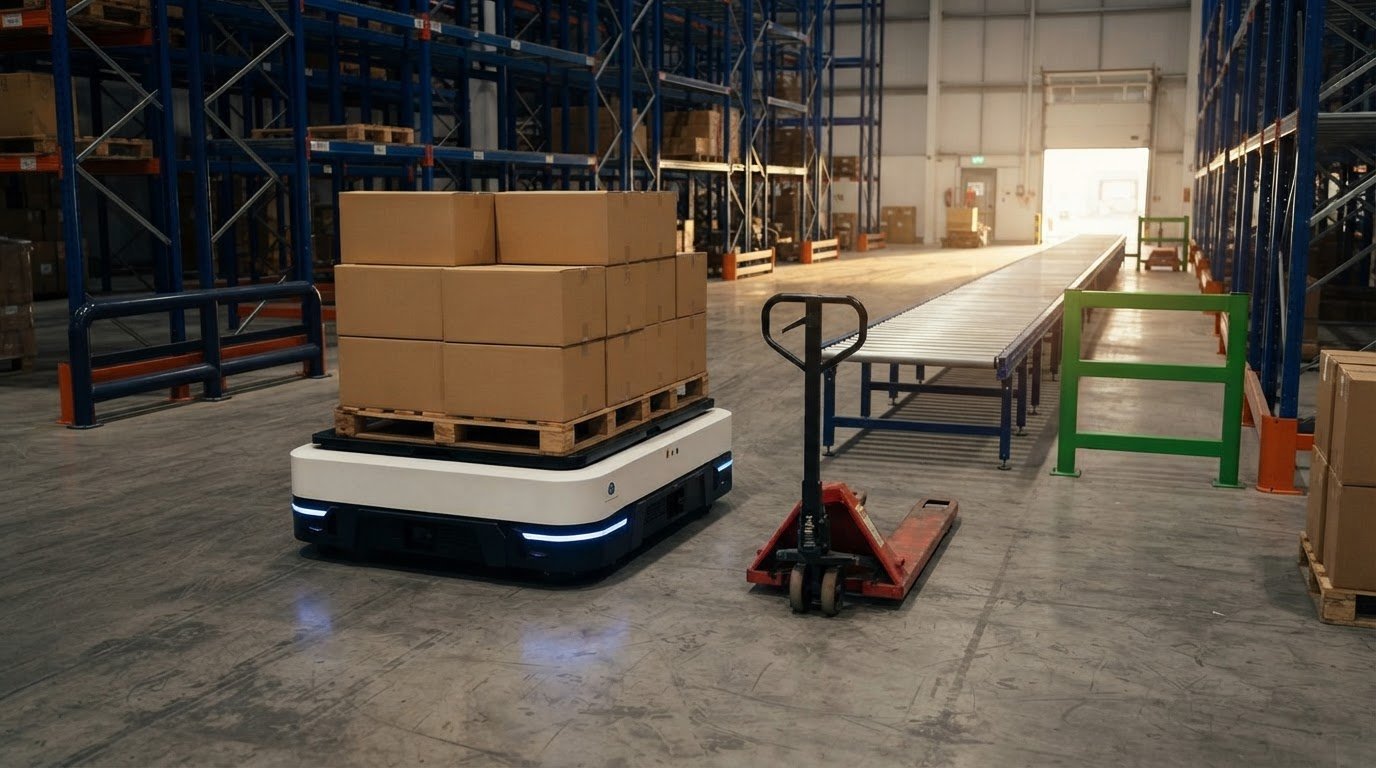
Robotics also supports work beyond factory floors. Warehouse systems move goods through storage and handling workflows, and inspection robots can support checks in industrial environments. Healthcare facilities use medical delivery robots to transport items along internal routes. Each application has distinct environmental, payload, and movement requirements. A warehouse route, hospital corridor, and production cell each place different demands on a system.
To define an application, identify the task, workpiece, movement path, and handoff point. Match these requirements to the robot type and surrounding equipment. This helps distinguish a standalone handling task from a wider automation project and gives engineering teams a clear basis for planning integration, workflow changes, and technology suited to the operating environment.
Manufacturing robots and smart factories
A smart factory connects manufacturing equipment, controls, and production workflows. Industrial robotic systems can be programmed or controlled through PLCs and integrated into manufacturing lines. For example, a robot can perform a production task while a PLC coordinates its sequence with connected equipment. Integration helps separate automation assets operate as part of a coordinated process.
Communication matters across the production process. Industrial robots may connect through networks such as EtherCAT or PROFINET to support synchronized control across equipment. Map which machines exchange signals and when each production step begins. Clear coordination is important when timing between a robot, conveyor, and workstation matters.
Sensors, vision cameras, and safety devices can form part of robotic systems. A vision camera can provide information to guide a robot’s operation, while sensors provide system input. Safety devices help protect people working around the system. Their role and placement depend on the cell design and work environment, so engineering must account for people, equipment, and robot movement together.
Smart factories also connect production with logistics. For example, robotic palletizing or material handling can link completed goods to warehouse workflows. Mapping this handoff helps clarify where automation belongs and what the robot must communicate with, from line controls to adjacent handling equipment.
Plan integration around the whole workflow, not the robot alone. Define the production task, identify connected equipment, map control signals, and determine how information moves across the line. Then align engineering, programming, and safety-device design with the intended operation. Industrial robotic systems may operate 24/7 to reduce operational downtime, but the factory’s integration design must support the workflow consistently. This is a practical foundation for operational excellence.
Discuss smart-factory automation planning to connect manufacturing robotics with your production and logistics requirements.
Defend Autonomous Robotics Trading LLC
Defend Autonomous Robotics Trading LLC supports automation decisions with solutions for industrial movement, manufacturing, and energy infrastructure. Its AMR & AGV Automation Solutions address autonomous movement needs, while CNC & advanced manufacturing solutions support advanced production requirements. The portfolio also includes an AI Coffee & Beverage Robot and EV charging & sustainable energy solutions.
Turn to Defend Autonomous Robotics Trading LLC when you are defining an automation direction and need to connect operational requirements with relevant solution categories. Describe the task, facility environment, and integration needs to focus the discussion on project priorities.
Contact Defend Autonomous Robotics Trading LLC to discuss your automation requirements and next steps.
Turn your automation priorities into a project brief
Before selecting a system, define the operational result you need. Identify the process, the equipment it must connect with, and the constraints that shape deployment. A focused brief helps industrial robotics suppliers in the UAE align proposed automation with production requirements.
Defend Autonomous Robotics Trading LLC provides AMR & AGV Automation Solutions, an AI Coffee & Beverage Robot, and CNC & advanced manufacturing solutions. These offerings address different needs, from autonomous movement to manufacturing operations. Start with your priority process and the role automation should play in it.
Contact Defend Autonomous Robotics Trading LLC to discuss your automation requirements and identify a practical next step. A clear objective is a strong starting point for moving your operation forward.
Frequently Asked Questions
How do I get contact information for these companies?
Use the contact option on this page to reach Defend Autonomous Robotics Trading LLC. In your first message, describe the process, facility environment, and equipment or workflow involved. Specify whether the project concerns internal material movement, production handling, or warehouse operations to give the discussion a clear starting point.
Which companies supply industrial robots in the UAE?
Among industrial robotics suppliers in the UAE, Defend Autonomous Robotics Trading LLC provides industrial robotics and automation solutions. Its offerings include AMR and AGV systems, warehouse autonomous solutions, robotic welding and painting, and palletizing, sorting, and pick-and-place systems. These categories serve different operational needs, so describe the work involved, such as moving goods or automating a production task, when discussing a solution.
Who are the authorized distributors and system integrators for leading robot brands in the UAE?
Defend Autonomous Robotics Trading LLC provides engineering and system integration for automation solutions. Distributor authorization is a separate, brand-specific status, so integration capability alone does not establish authorization for a particular robot brand. Define the application and system requirements first: the integration scope depends on the robot, connected equipment, and intended workflow.
Which UAE suppliers offer robot maintenance, spare parts, training, and after-sales service?
Defend Autonomous Robotics Trading LLC provides after-sales support that includes training, maintenance, and spare parts. Its support offering also includes 24/7 service and annual maintenance contracts. These services relate to deployed systems and ongoing operational needs. For example, teams can discuss training and maintenance as part of planning system handover, helping align support with how equipment will be used.
Which UAE industries use industrial robots, and what local applications are common?
Industrial robots are used in manufacturing, oil and gas, healthcare, logistics, marine and offshore, and hospitality. Manufacturing applications include welding, painting, CNC machine tending, and palletizing. Logistics operations can use autonomous material movement, healthcare facilities can use delivery workflows, and hospitality settings can use beverage robots. The task and operating environment shape the solution, whether it involves moving goods or handling a production step.
What factors affect importing and delivering industrial robots to the UAE?
Robot configuration, shipment requirements, and site readiness can affect importing and delivery.