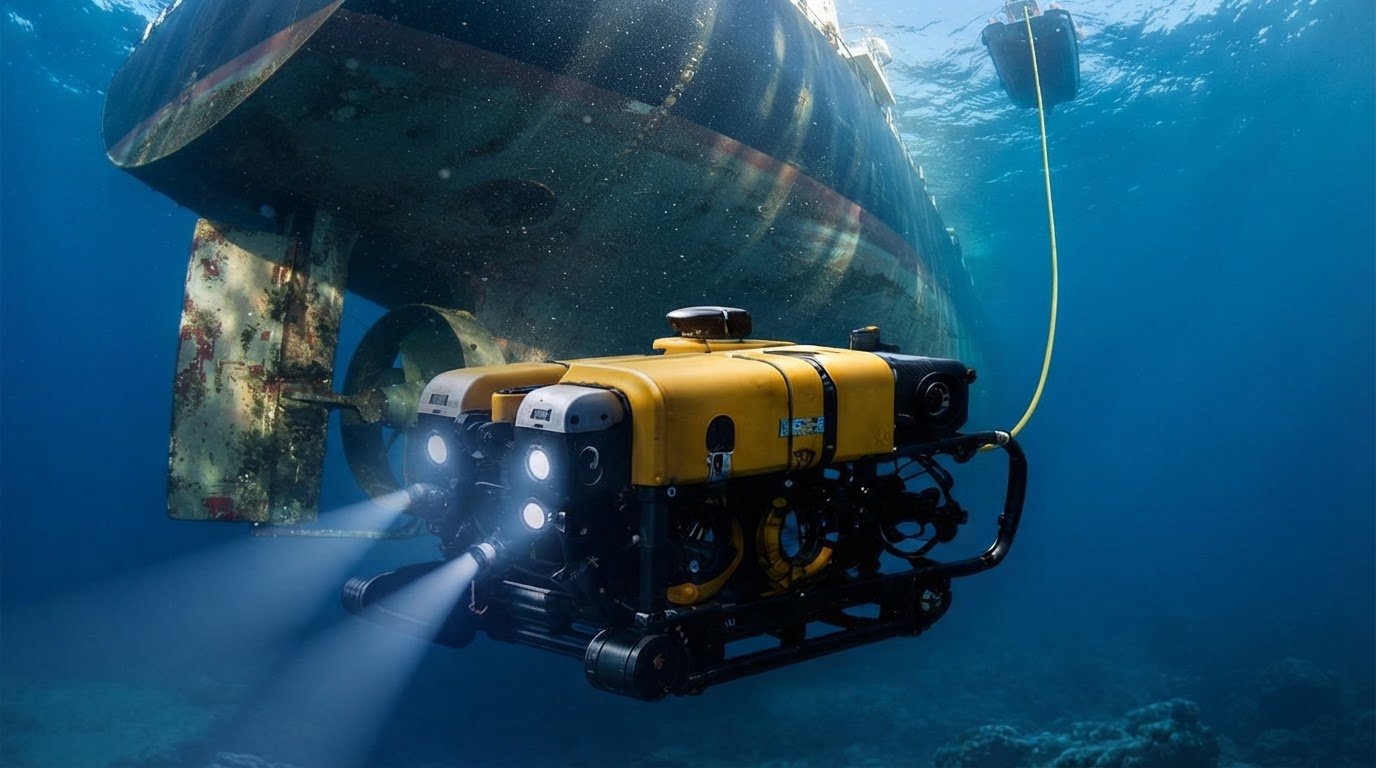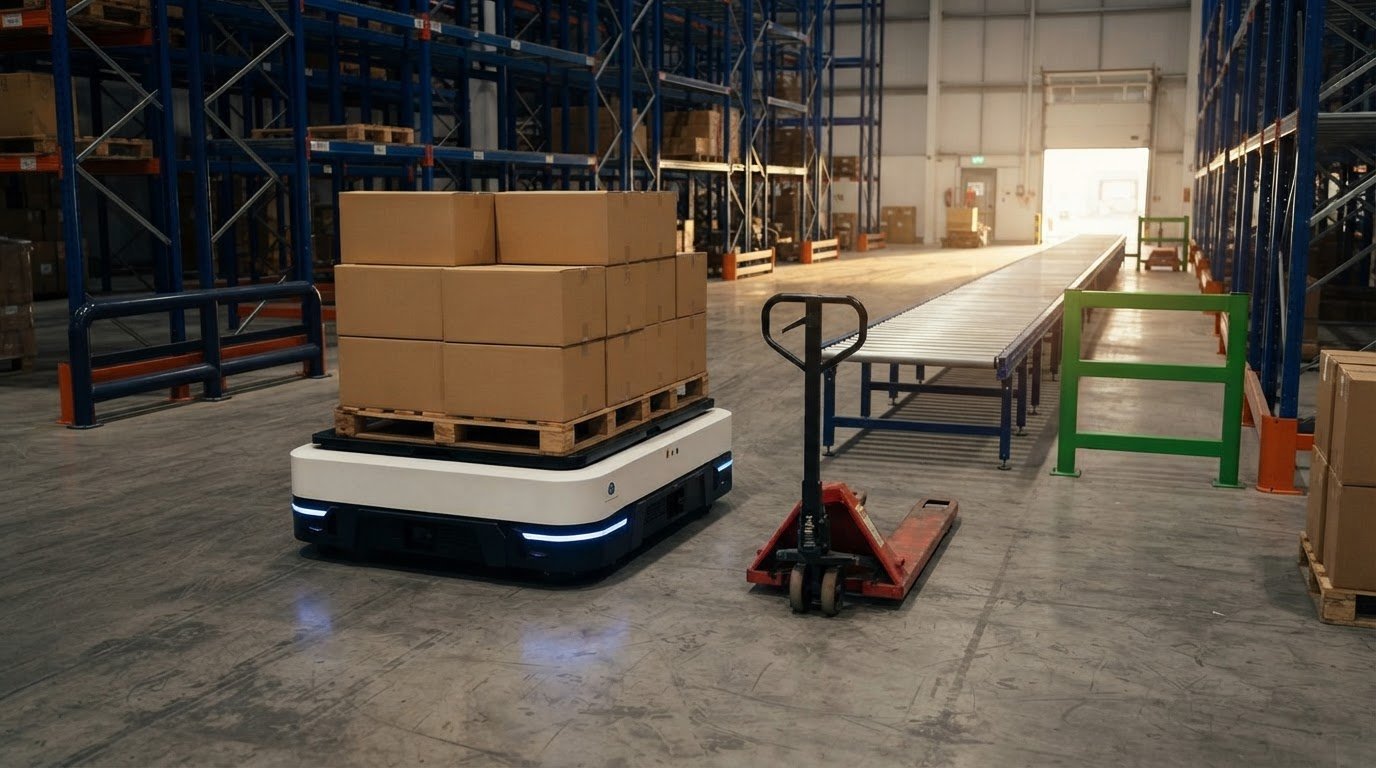
Rough ground is only half the challenge. Industrial security robots are mobile patrol systems designed to help monitor facility perimeters and hard-to-reach areas, while their navigation, communications, and software security shape how they operate. The ISA/IEC 62443 series provides a cybersecurity framework for industrial automation and control systems.
Facility teams need more than a robot that can travel over uneven ground. They need a system suited to the site’s terrain, patrol objectives, safety requirements, and operational technology environment. Plan cybersecurity and functional safety together from the outset.
This article explains how robots navigate challenging terrain, what can help protect their software and connected systems, and how they may support patrols at critical facilities. It also covers international standards and practical considerations for integrating a patrol robot into an industrial operation.
Key Takeaways
- Match a patrol robot’s mobility and navigation approach to the facility’s terrain, routes, and operating conditions.
- Build cybersecurity and functional safety into deployment planning to help limit risks to connected systems, equipment, and workers.
- Use the ISA/IEC 62443 framework to structure industrial control system security planning and assess protection needs.
- Compare robot categories by patrol environment and operational role to identify where mobile automation can support factory or warehouse security.
All-terrain mobility and autonomous navigation
Industrial patrol routes may cross gravel yards, service corridors, loading areas, and uneven ground. Match the robot’s mobility and navigation capabilities to the route, obstacles, and monitoring priorities.
All-Terrain Movement
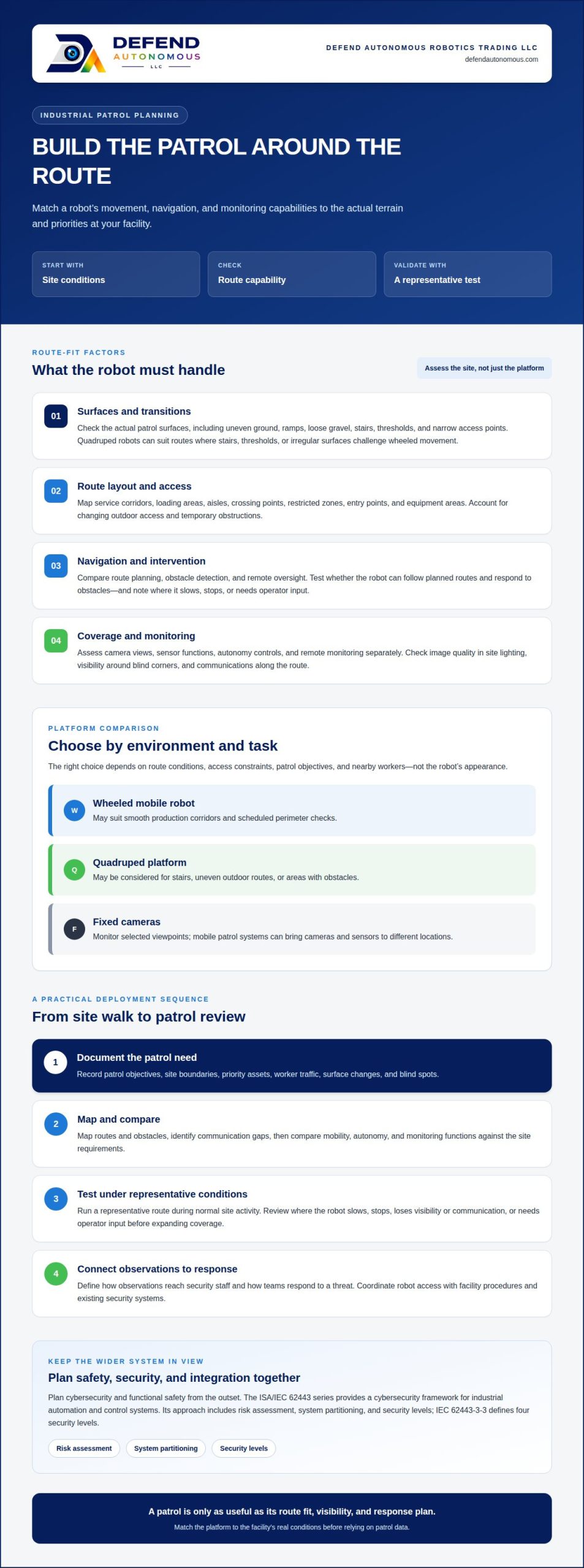
Quadruped robots can suit routes where stairs, thresholds, or irregular surfaces challenge wheeled movement. Compare platforms on the actual surfaces and transitions at your site, including ramps, loose gravel, and narrow access points. Design mapped patrols to cover entry points and equipment zones, not just open paths.
Robots can repeat assigned routes and capture consistent observations, while human guards assess context and respond directly. Fixed cameras monitor selected viewpoints; mobile patrol systems can bring cameras and sensors to different locations.
Autonomous Navigation
Autonomous navigation allows a robot to follow planned routes and respond to detected obstacles. In a warehouse, map aisles, crossing points, and restricted zones before setting patrol paths. In an outdoor utility yard, account for changing access and temporary obstructions. These details determine where the robot can travel and what its patrol can cover.
Compare route planning, obstacle detection, and remote oversight. Test a representative route during normal site activity, then review where the robot slows, stops, or needs operator input. This can reveal navigation constraints before teams rely on patrol data.
Sensor and Camera Options
Assess camera coverage, sensor functions, autonomy controls, and remote monitoring separately. Cameras can document visible conditions, while sensors can help detect changes along a route. The Centers for Disease Control and Prevention (CDC) identifies camera systems, communication systems, sensors, and displays as core technologies shaping robotics capabilities and applications.
Remote monitoring should help operators review relevant observations and recognize when intervention is needed. Assess image quality in the facility’s lighting, visibility around blind corners, and communication along the planned route. A threat may go unnoticed if camera views or sensor coverage do not suit the location.
Walk the site and record surface changes, blind spots, and priority assets. Then compare each robot’s mobility, autonomy, and monitoring functions with those requirements. This evidence-based approach helps align patrol design with facility conditions.
Industrial facilities and critical infrastructure
Factories, warehouses, and utility sites need patrol plans tailored to their assets, access routes, and operational risks.
Robot Types for Facilities
In a factory, a wheeled mobile robot may suit smooth production corridors and scheduled perimeter checks. A quadruped platform may be considered for stairs, uneven outdoor routes, or areas with obstacles. Compare each type against floor conditions, access constraints, patrol objectives, and nearby workers. The right choice depends on the task and site layout, not the robot’s appearance.
In a warehouse, map aisles, loading areas, and restricted zones before selecting a platform. Confirm that its mobility and sensing capabilities suit the facility’s actual routes.
Purchase, Lease, and Operating Costs
Purchase, lease, and operating costs vary with the robot configuration, site integration, support needs, and patrol scope. Compare project requirements on the same basis, including setup, software integration, maintenance, and staffing for remote supervision.
For example, patrolling several buildings may require different infrastructure from following a single warehouse corridor. Define the route and operating model first, then compare costs for the same scope.
Manufacturer Options in the United States
In the United States, industrial security robot suppliers include robotics manufacturers and automation companies with products for facility patrol tasks. Product categories and capabilities vary. Compare each option by its intended environment, mobility, sensing, autonomy, and integration approach, rather than relying on a broad security label.
A site with outdoor access roads, for example, has different requirements from a climate-controlled warehouse. Assess the platform against the facility’s route map and operational technology environment.
Assessment, Deployment, and Integration
Start deployment by documenting patrol objectives, site boundaries, priority assets, and worker traffic. Then map routes and identify obstacles, communication gaps, and places where a human operator may need to intervene. Test the planned route under representative operating conditions before expanding patrol coverage.
Finally, define how observations reach security staff and how teams respond to a threat. Coordinate robot access with facility procedures and existing security systems. A site assessment can align route requirements with quadruped patrol deployment planning.
International standards compliance
Standards turn security expectations into a structured engineering process. For internationally deployed robots, identify the system boundaries, connected industrial control systems, and relevant jurisdictions. Standards guidelines are mandated by law in many countries for applications used internationally. Choose a framework that fits the robot’s role and integration instead of treating one reference as universal approval.
The ISA/IEC 62443 series provides a cybersecurity framework for Industrial Automation and Control Systems (IACS), and can also be applied to industrial robots. Its newest standard focuses on risk assessment, system partitioning, and security levels. Use those elements to define which robot components communicate, where security boundaries sit, and what protection each zone requires.
IEC 62443-3-3 defines four security levels, from protection against casual or coincidental violations at SL 1 to protection against sophisticated attacks using extended resources at SL4. These levels help teams express differing protection needs across system zones. A robot connected to production controls may require a different assessment from an isolated patrol platform. Document the rationale behind each selected level.
IEC 61508:2010 links security analysis with hazard assessment. When hazard analysis identifies malevolent or unauthorized action as a reasonably foreseeable security threat, perform security threat analysis. Under 7.5.2.2, undertake vulnerability analysis to specify security requirements when threats have been identified. This connects cybersecurity review with functional safety planning, rather than leaving the two as separate workstreams.
Also assess the EU Machinery Regulation 2023/1230 and ISO 10218:2025, both identified as relevant frameworks for robotics cybersecurity monitoring. The AI Act is a potential future compliance framework for machine-learning models used in robotics security, particularly use cases classified as medium risk. Build a standards register, map each reference to system components, record evidence, and assign review ownership. That process makes gaps visible before deployment and supports consistent updates as system scope changes.
What types of industrial security robots are available for factories and warehouses?
Factory and warehouse patrol systems vary by mobility, work environment, and assigned role. Compare mobile ground platforms, quadruped robots, and fixed security systems against specific patrol tasks.
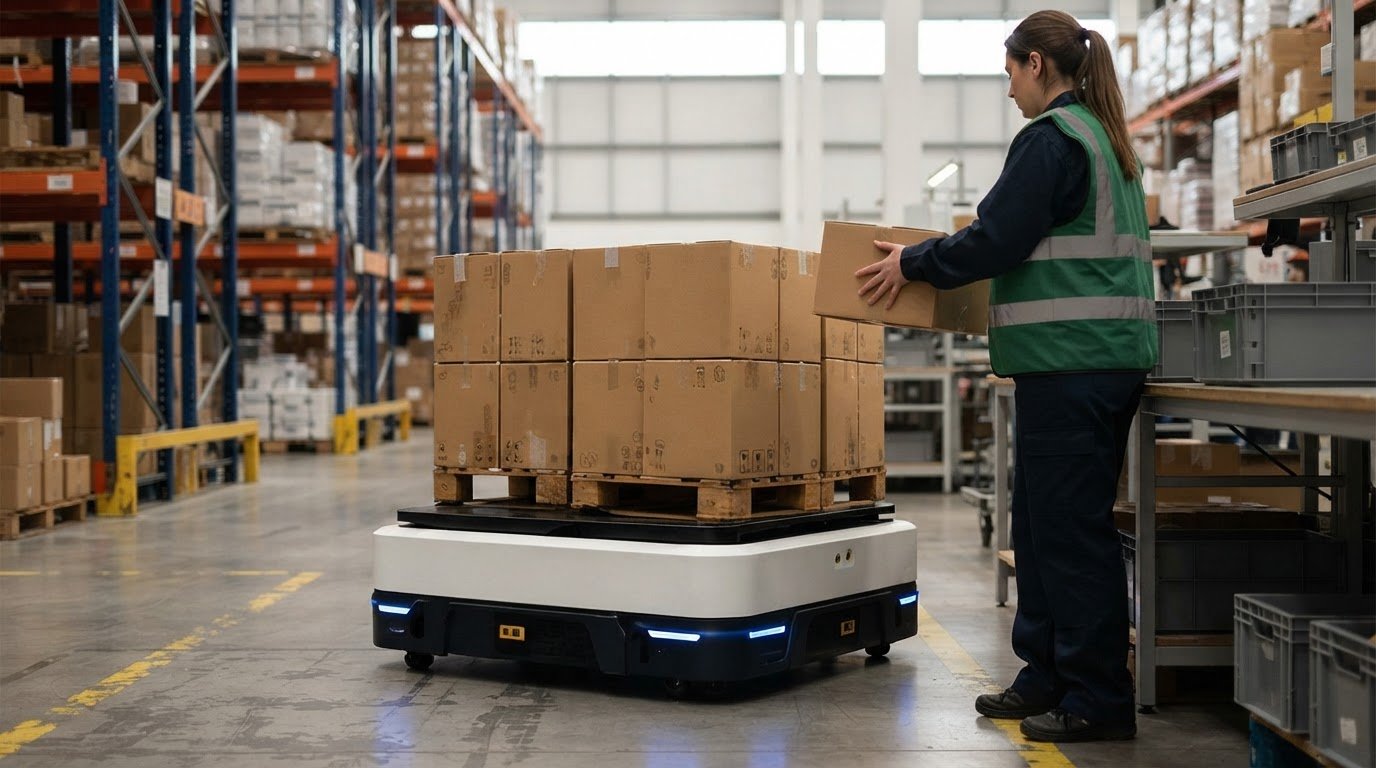
Wheeled mobile robots suit planned routes across smooth warehouse floors and factory corridors. They may travel between inspection points and carry sensors or cameras. Before selecting one, map aisle widths, floor transitions, pedestrian crossings, and places where pallets or equipment could block travel. Layout changes can affect route access.
Quadruped robots for security patrols in the UAE offer an alternative for sites with stairs, uneven outdoor paths, or obstacles that restrict wheeled movement. A facility with interior corridors and exterior service areas, for example, can assess whether one platform can cover both. Compare access needs, stability along the route, and inspection locations. A robot suited to one surface may not fit every patrol zone.
Fixed cameras and sensors provide a different security approach. They monitor assigned views without moving through the facility, making them useful for persistent observation of entrances or production areas. A mobile robot can visit places outside a fixed camera’s view, while fixed equipment can keep watching a critical point. Some facilities may combine both approaches.
Warehouse autonomous robots are primarily designed to move through warehouse operations. Assess a security use case by its patrol duties, not just the robot’s ability to navigate an aisle. Decide whether the priority is perimeter observation, internal route checks, or inspection of selected assets. Then compare mobility, sensors, camera coverage, autonomy, and remote oversight against that need.
Use this selection sequence:
- Mark priority areas, restricted zones, and routine routes on a facility map.
- Identify terrain, access constraints, and camera blind spots along each route.
- Match the robot type to the patrol task and existing security setup.
- Test the proposed route in representative operating conditions.
Map your facility’s patrol priorities before planning a quadruped patrol solution.
Defend Autonomous Robotics Trading: AMR & AGV Automation Solutions
Defend Autonomous Robotics Trading offers AMR & AGV Automation Solutions for facilities planning broader automation alongside security patrols. These systems address autonomous mobile robot and automated guided vehicle needs, helping operations teams assess how automation fits material movement and facility workflows. Consider this option when a project extends beyond patrol coverage to coordinated movement across operational areas.
For facilities modernizing multiple functions, the company also offers CNC and advanced manufacturing solutions, as well as EV charging and sustainable energy solutions. Each addresses a distinct operational need, so define the workflow or infrastructure objective before choosing an automation direction.
To discuss AMR and AGV automation for your facility, contact Defend Autonomous Robotics Trading or visit defendautonomous.com.
Build the Next Stage of Facility Automation
Turn patrol planning into a broader operational roadmap. Industrial security robots can support facility oversight, while the next opportunity may be coordinating security with production and material movement. Define operational priorities first, then identify where automation can contribute across the site.
Defend Autonomous Robotics Trading LLC offers AMR & AGV Automation Solutions, CNC & advanced manufacturing solutions, and an AI Coffee & Beverage Robot. These offerings address distinct automation needs that operations teams can consider alongside facility plans.
Use your site priorities to guide the next conversation. Contact Defend Autonomous Robotics Trading LLC to discuss automation solutions for your operation. A clear starting point can help turn a facility objective into a practical next step.
Frequently Asked Questions
What are industrial security robots and how do they work?
Industrial security robots are mobile platforms that support facility surveillance using sensors, cameras, and programmed or autonomous movement. They travel through assigned areas, collect observations, and relay information for security teams to review. For example, a patrol route may cover a warehouse loading zone and a building entrance. These robots extend monitoring but do not make every security decision independently.
What safety standards and regulations apply to security robots in U.S. workplaces?
Applicable requirements depend on the robot’s function, workplace hazards, and connection to industrial control systems. For a U.S. deployment, assess workplace safety obligations alongside relevant technical standards, rather than treating a standard as automatic legal approval. ISA/IEC 62443 can guide cybersecurity planning for connected control systems, while IEC 61508 addresses functional safety. Document how each requirement relates to the robot’s use and integration.
What are the benefits, limitations, and typical use cases of industrial security robots?
These robots can provide consistent observation of selected areas, support inspections in hard-to-access locations, and help teams review conditions without placing a guard on every route. Common applications include warehouse perimeters, factory access areas, and industrial sites with remote equipment. Robots still depend on suitable coverage, reliable communications, and human response procedures. They do not replace judgment during complex incidents or emergency decisions.
What privacy, cybersecurity, and liability risks do industrial security robots pose?
Cyberattacks may alter control parameters, tamper with calibration, or change a robot’s state, potentially disrupting production, damaging equipment or property, and injuring workers. Video monitoring also raises privacy considerations; local video processing can support privacy and real-time analysis.